


Best Plastic Packaging Solutions in Nigeria for Food and FMCG Brands
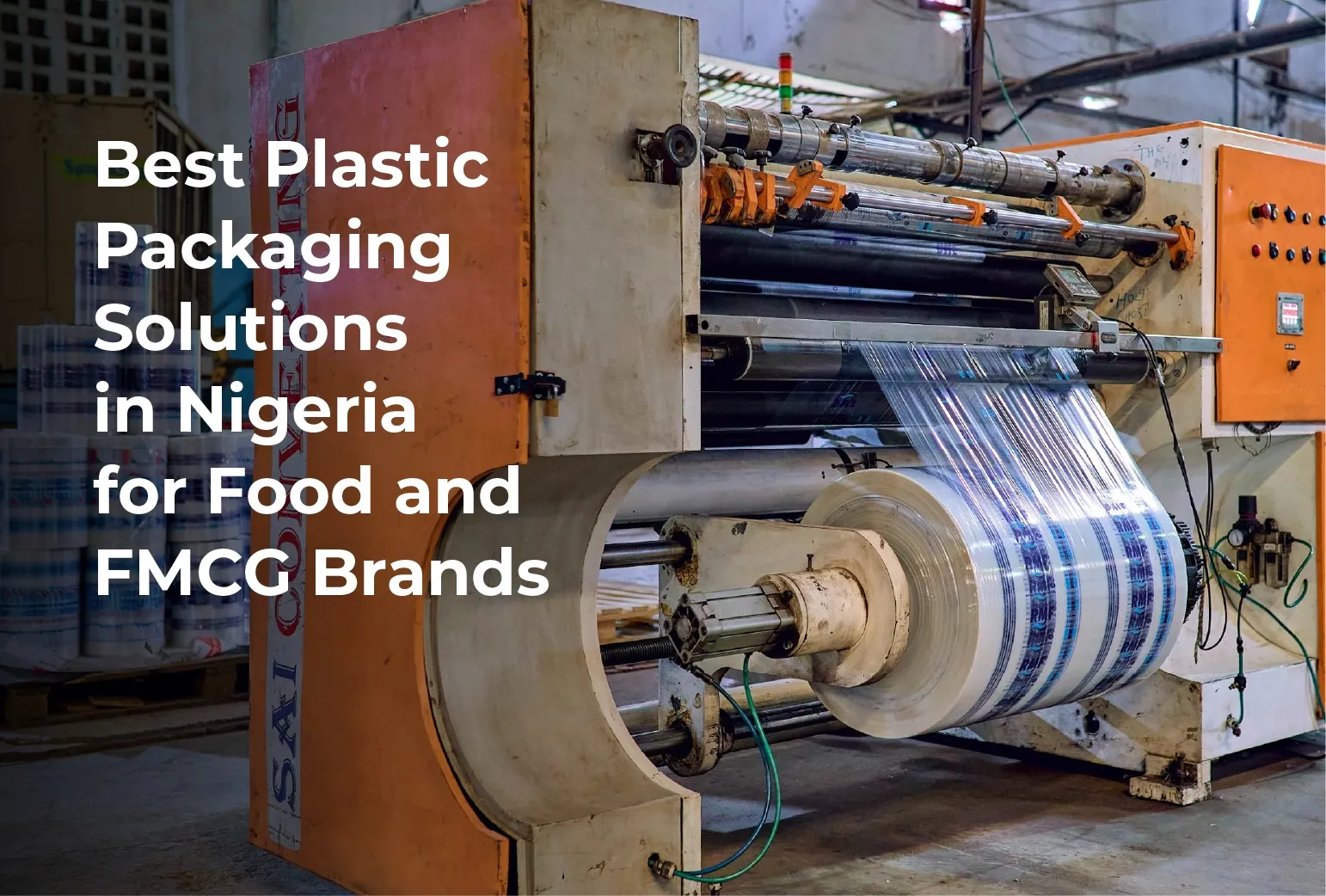
The food and FMCG sector in Nigeria has experienced rapid growth over the past decade. Packaged foods and beverages, household essentials, and a wide range of other products are competing for space on shelves and in consumers’ homes. As brands scale production and distribution, one major factor that continues to shape product success more than many businesses realise is packaging.
In Nigeria’s market, packaging determines how safe a product is, how long it lasts, how easily it moves through the supply chain, and how consumers perceive the brand. This is one reason why plastic packaging solutions in Nigeria remain central to food and FMCG operations. Despite ongoing sustainability conversations, plastic remains the most practical and widely used packaging material for everyday consumer goods. For food and FMCG brands, the challenge is centred on choosing the right type of plastic packaging while balancing safety, durability, cost, compliance, and brand value.
Why Plastic Packaging Remains Essential in Nigeria
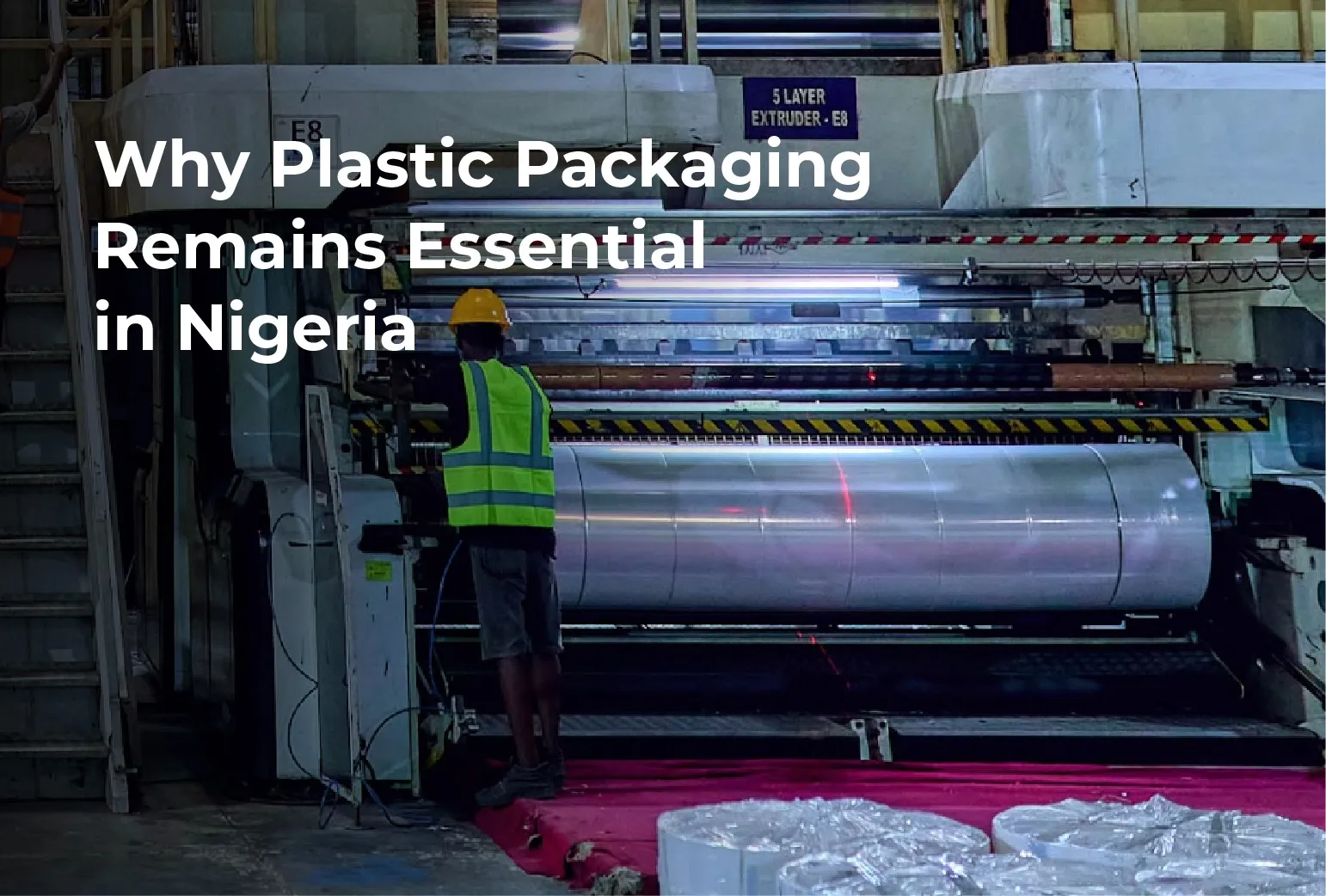
Nigeria’s logistics environment is demanding. Products are transported over long distances, often through rough roads, heavy traffic, and multiple handling points. Storage conditions can vary widely, and exposure to heat and humidity is common. In this context, packaging failures are costly.
Plastic packaging remains popular because it is lightweight, resistant to breakage, and adaptable to different product formats. Compared to alternatives like glass or metal, plastic reduces transport weight, lowers damage rates, and allows brands to package products in both bulk and small, affordable units. These advantages make plastic packaging for food in Nigeria especially practical for brands serving a wide and diverse consumer base.
Plastic packaging also supports high-volume production. For FMCG brands that need consistency, speed, and scalability, plastic offers efficiency that few other materials can match.
What Plastic Packaging Means for Food and FMCG Brands
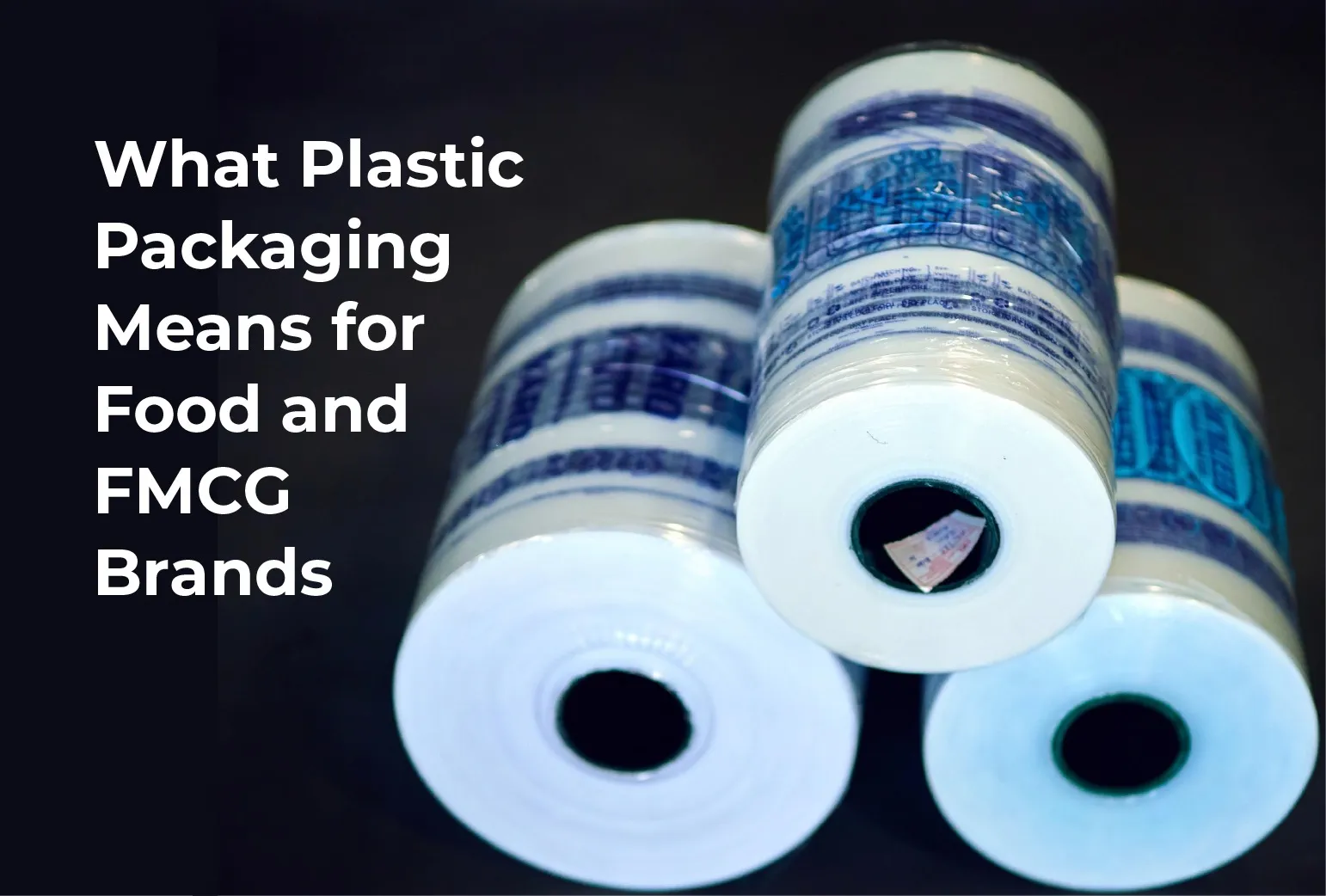
Plastic packaging refers to containers, films, and flexible materials made from polymer-based compounds designed to contain and protect products. In the food and FMCG sectors, plastic packaging serves several roles at once, such as:
- Proper packaging protects the product from contamination. Properly manufactured food-grade plastic packaging prevents exposure to dust, moisture, bacteria, and damage. This is critical for maintaining food safety and meeting regulatory expectations.
- Packaging preserves product quality. By limiting exposure to air and moisture, plastic packaging helps extend shelf life, which is a crucial factor in Nigeria’s warm climate and distribution cycles.
- Also, packaging influences how a product is used and perceived. Easy-to-open containers, resealable packs, and convenient sachets all improve consumer experience. This is why FMCG plastic packaging is as much about usability as it is about protecting the goods and packages.
Common Plastic Materials Used in Nigeria
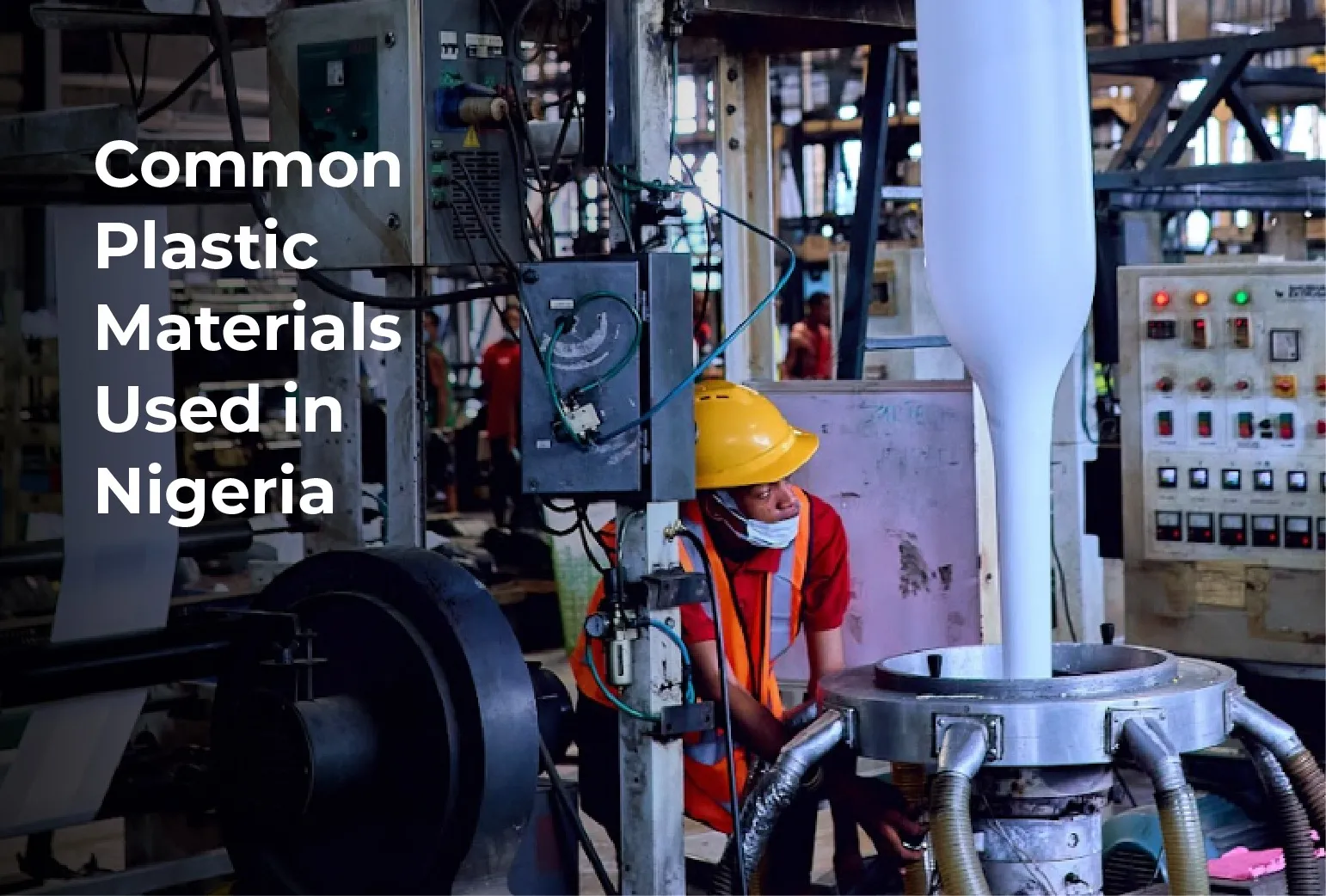
Different plastic materials serve different purposes, and choosing the right one matters more than many brands realise.
- PET is commonly used for beverage bottles and clear containers because it is strong, lightweight, and visually appealing.
- HDPE is thicker and more durable, making it suitable for food containers, jerry cans, and products that require impact resistance.
- LDPE flexibility makes it ideal for films, sachets, and liners. Polypropylene suits tubs, lids, and heat-resistant containers.
Reputable plastic packaging manufacturers in Nigeria guide brands in selecting materials based on product type, filling process, storage conditions, and shelf-life requirements. Choosing the wrong material may offer short-term savings, but it often leads to leaks, spoilage, and dissatisfied customers—costing brands far more in the long run.
How Plastic Packaging Supports Distribution and Cost Control
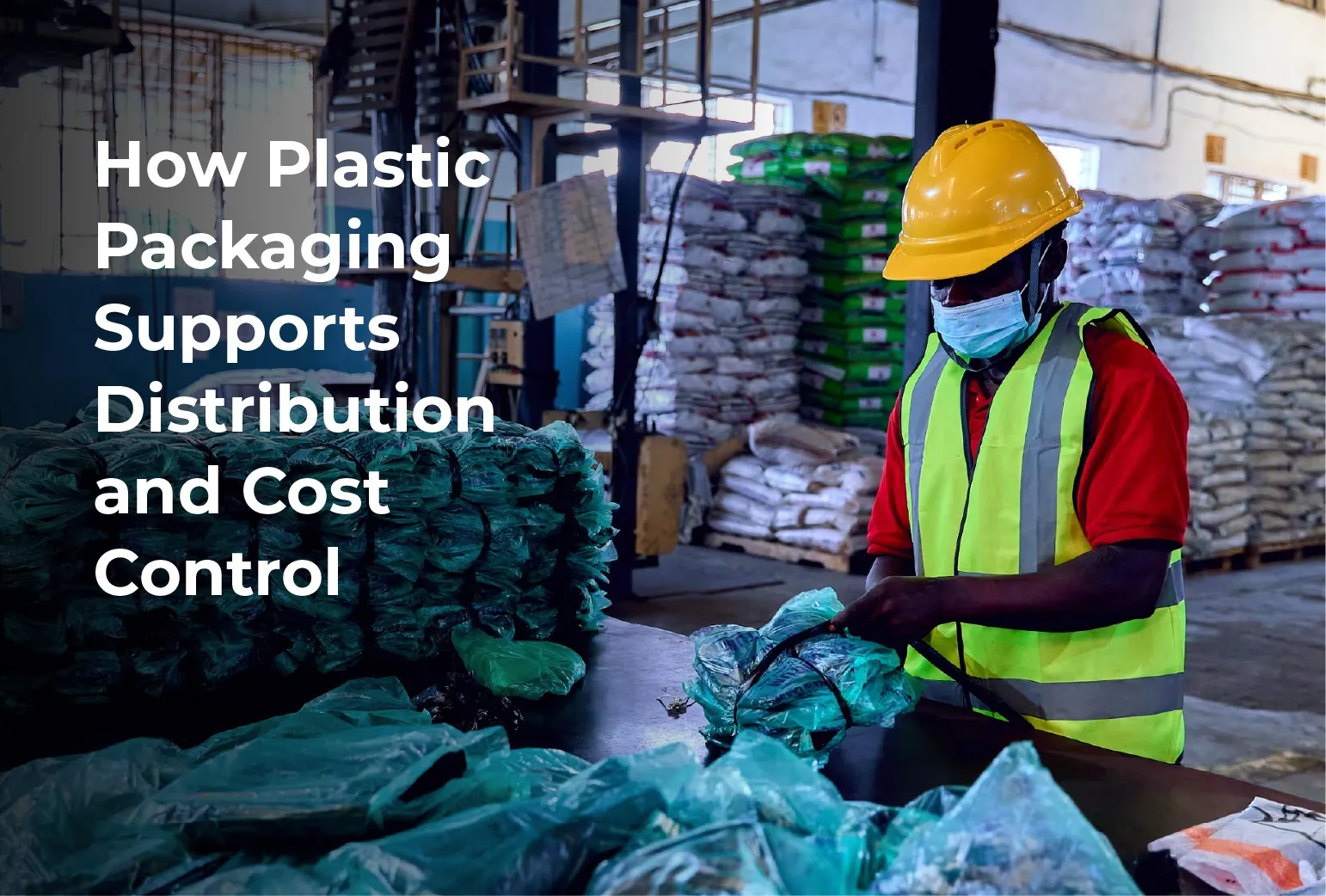
For food and FMCG brands, distribution is one of the biggest cost drivers. Packaging often works behind the scenes to ensure products move efficiently from factories to consumers. Plastic packaging, in particular, helps brands manage distribution and logistics costs through its durability, light weight, and adaptability.
Because plastic is lightweight, it reduces the overall weight of shipments, helping lower fuel and transportation expenses. Its durability also minimises losses caused by breakage, leakage, or spillage during handling and transit. Fewer damaged products mean fewer returns, replacements, and write-offs.
Plastic packaging also offers design flexibility. Brands can package products in a wide range of sizes to suit different price points and consumer needs. This flexibility has been especially important in Nigeria, where sachets and small pack formats make everyday goods more accessible to cost-sensitive consumers. As a result, flexible plastic packaging solutions in Nigeria have played a major role in expanding product reach across both urban and rural markets.
Types of Plastic Packaging Used by Food and FMCG Brands
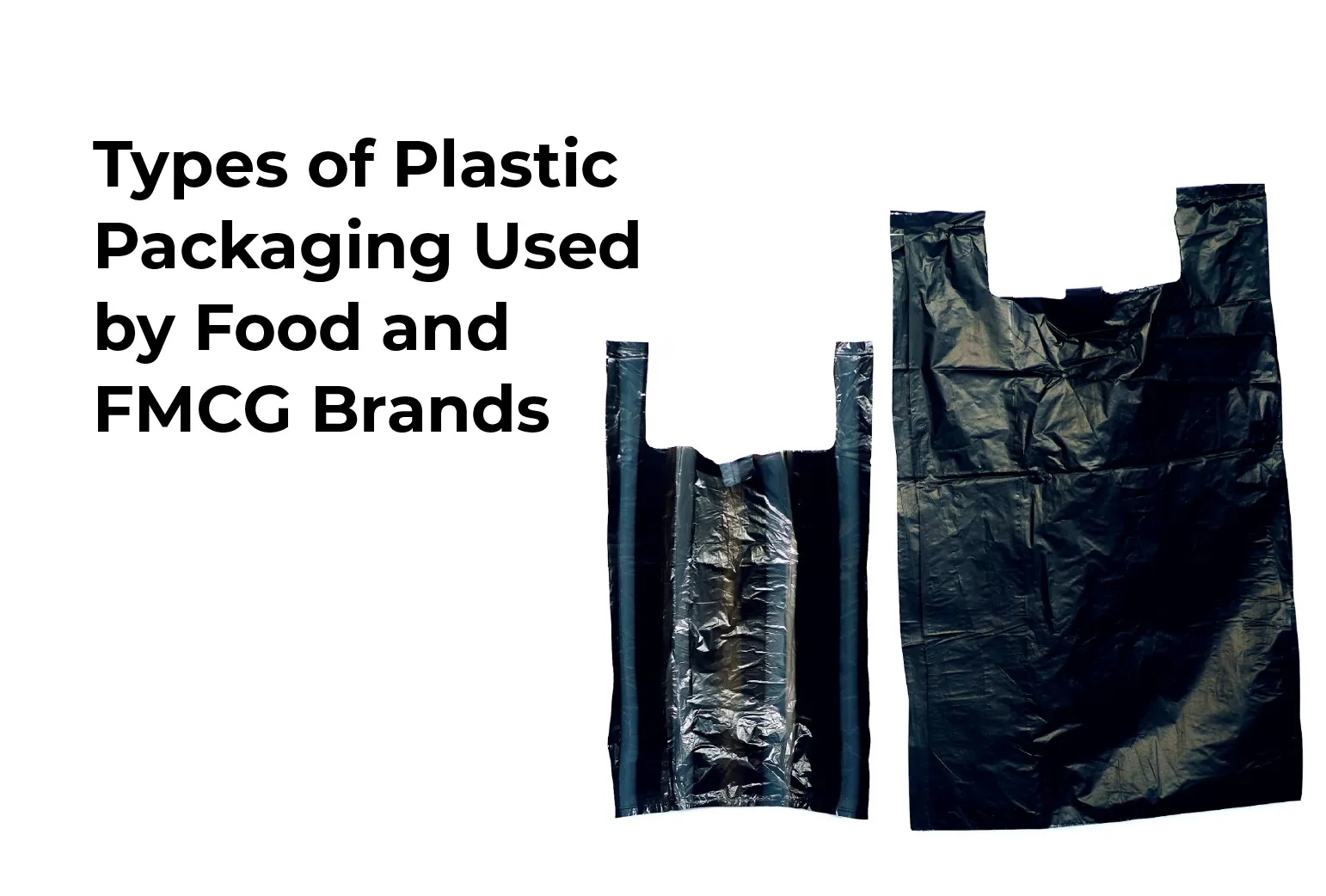
Food and FMCG brands in Nigeria rely on carefully selected plastic packaging depending on the nature of the product, how it will be stored, and how it will be distributed. Choosing the right format is essential for maintaining product quality, managing costs, and meeting consumer expectations.
- Rigid plastic packaging, such as bottles, jars, and tubs, is used for beverages, cooking oils, sauces, spreads, dairy products, and powdered goods. These types of plastic provide strong physical protection and maintain their shape during stacking and transportation, making them ideal for products that need stability. Rigid packaging facilitates clear labelling and branding, giving brands more space to communicate product information, instructions, and visual identity.
- Flexible plastic packaging, including sachets, pouches, and films, plays a major role in Nigeria’s FMCG market. These formats are widely used for seasonings, snacks, liquids, personal care items, and single-serve products. Flexible packaging is lightweight and cost-effective, making it easier to distribute large volumes at lower transport costs. It also enables brands to offer smaller pack sizes, helping them reach price-sensitive consumers and expand market access across different income levels.
Across both rigid and flexible formats, food-grade plastic packaging in Nigeria is an essential criterion for plastic production. Packaging used for food must be manufactured from approved materials that are safe for direct contact and produced under controlled conditions. This helps prevent contamination, preserve product quality, and protect consumer health. Using non-food-grade materials can pose safety risks, regulatory issues, and loss of consumer trust.
Increasingly, brands are turning to custom plastic packaging solutions to gain a competitive edge. Custom sizes, shapes, and packaging structures help improve product fit, reduce excess material, and improve efficiency throughout the supply chain. Custom designs also enhance shelf visibility and brand recognition. For many growing food and FMCG brands, investing in custom packaging marks a key shift from basic distribution to a strong, professional market presence.
What to Consider When Choosing Plastic Packaging
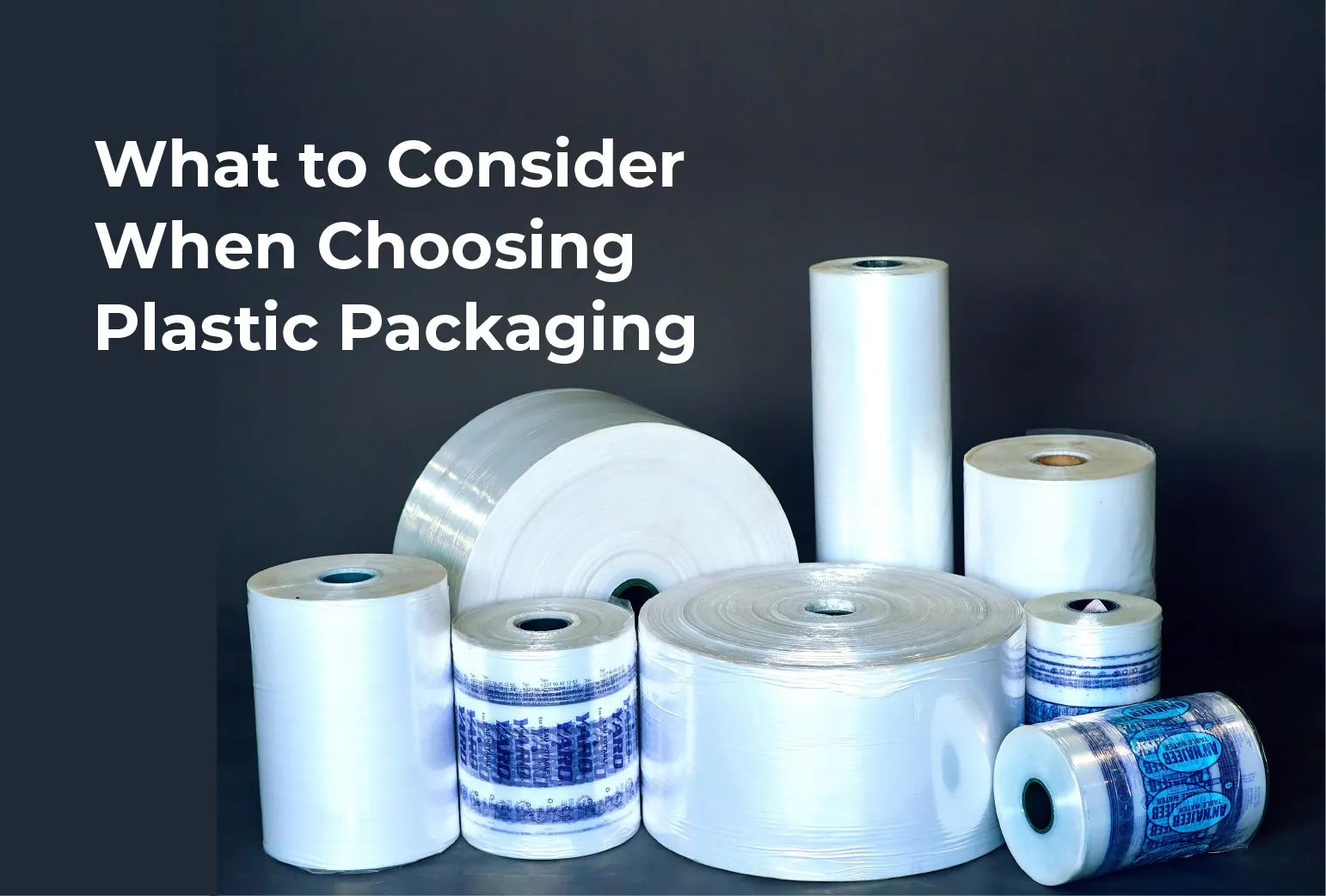
Choosing packaging should start with the product itself. Liquids need strong seals. Powders need protection from moisture. Solid foods may need rigid structures to prevent crushing. Packaging must also match the brand’s filling and storage processes.
- Compliance is critical; packaging materials must meet food safety standards and regulatory requirements. Cutting corners in this area can lead to serious consequences.
- Durability matters as well. Packaging should survive transportation, stacking, and storage without failing. Poor-quality packaging quickly becomes a hidden cost that can increase waste and returns, often resulting in loss for the manufacturer.
- Branding should not be overlooked, as packaging communicates quality before the product is even used. Clear labelling, good finishing, and thoughtful design build trust and influence buying decisions for many customers.
Why Working with the Right Manufacturer Matters

Experienced plastic packaging manufacturers in Nigeria provide guidance on material selection, packaging design, compliance, and production consistency. A professional manufacturer ensures a steady supply, consistent quality, and packaging that performs reliably throughout the supply chain. This reliability is especially important for food and FMCG brands operating at a large scale. Manufacturers with modern equipment and quality control systems also support innovation through lighter packaging, better sealing, and improved aesthetics, which helps brands stay competitive in their respective markets.
Sustainability and the Way Forward

Sustainability is becoming more important to both consumers and regulators. While plastic presents environmental challenges, responsible packaging design can minimise impact. Lightweight packaging uses less material. Recyclable plastics support waste recovery systems. Smarter design reduces unnecessary packaging without sacrificing protection. Brands that adopt responsible plastic packaging solutions in Nigeria often benefit from stronger consumer trust and a more positive public image.
Why Quantum Plastic Nigeria?
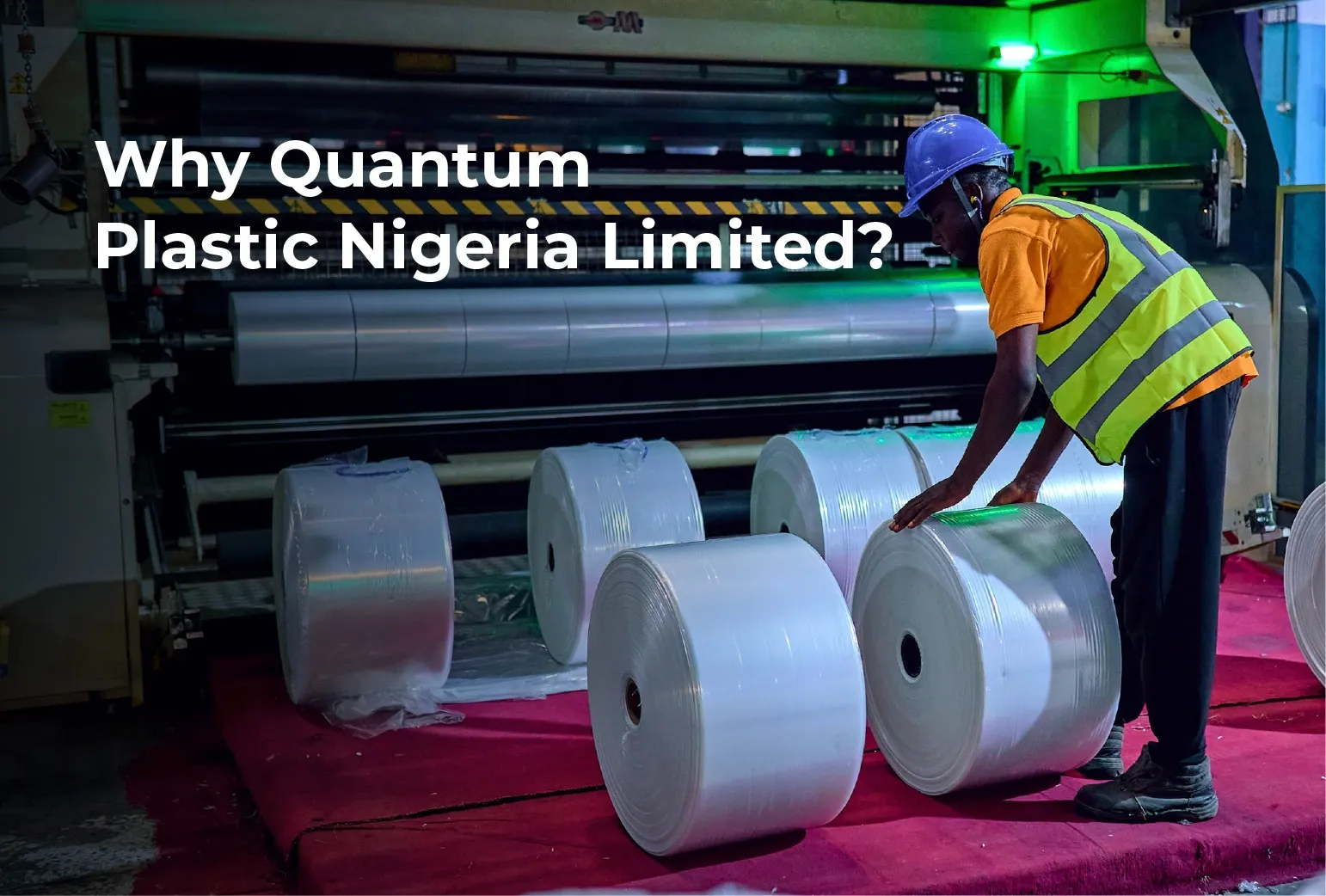
Quantum Plastic Nigeria Limited works with food and FMCG brands to provide packaging solutions tailored to local realities. The company focuses on durability, safety, and consistency, which are key requirements for products moving through Nigeria’s complex distribution networks. By utilising certified food-grade plastic packaging and designing custom solutions, Quantum Plastic helps brands protect product quality, improve efficiency, and build stronger shelf presence. Its commitment to quality and innovation positions it as a dependable partner among leading plastic packaging manufacturers in Nigeria.
For food and FMCG brands in Nigeria, packaging is a foundational decision that affects safety, cost, and brand credibility. The right plastic packaging protects products, supports efficient distribution, and strengthens consumer trust.
By adopting appropriate plastic packaging solutions provided by Quantum Plastics Nigeria Limited and leveraging our team’s expertise, Nigerian brands can avoid mistakes and build a foundation for long-term growth.
Contact us today via www.quantumplasticnig.com or call our representative on +234 8129934008 today to get in touch.
Ready to turn your packaging into a marketing asset?
For bulk production, specific designs, and premium-quality custom printed shopping bags in Nigeria, reach out to our team today.